
The announcement that 41-year-old Kenyan marathon legend Eliud Kipchoge will launch a seven-city world tour in Cape Town on May 24, 2026, marks a pivotal moment for the African sporting economy. This event represents Kipchoge's first competitive 42.195 km race on African soil, a strategic move designed to leverage his unprecedented brand value for conservation and education. With a career highlighted by a 1:59:40 sub-two-hour exhibition and two Olympic gold medals, Kipchoge’s participation is expected to increase global broadcast viewership for the Cape Town event by an estimated 250% compared to its 2025 metrics.
The "world tour" framework, spanning the next 24 to 36 months, is specifically structured as a high-yield fundraising vehicle for the Eliud Kipchoge Foundation. Given that top-tier marathon appearances can command appearance fees and sponsorship bonuses exceeding $500,000 to $1 million per race, the cumulative financial target for this seven-race cycle could realistically reach between $7 million and $10 million. These funds are vital for supporting education initiatives in Kenya, where the foundation aims to improve literacy rates and environmental sustainability in regions where 30% of schools currently lack adequate library infrastructure.
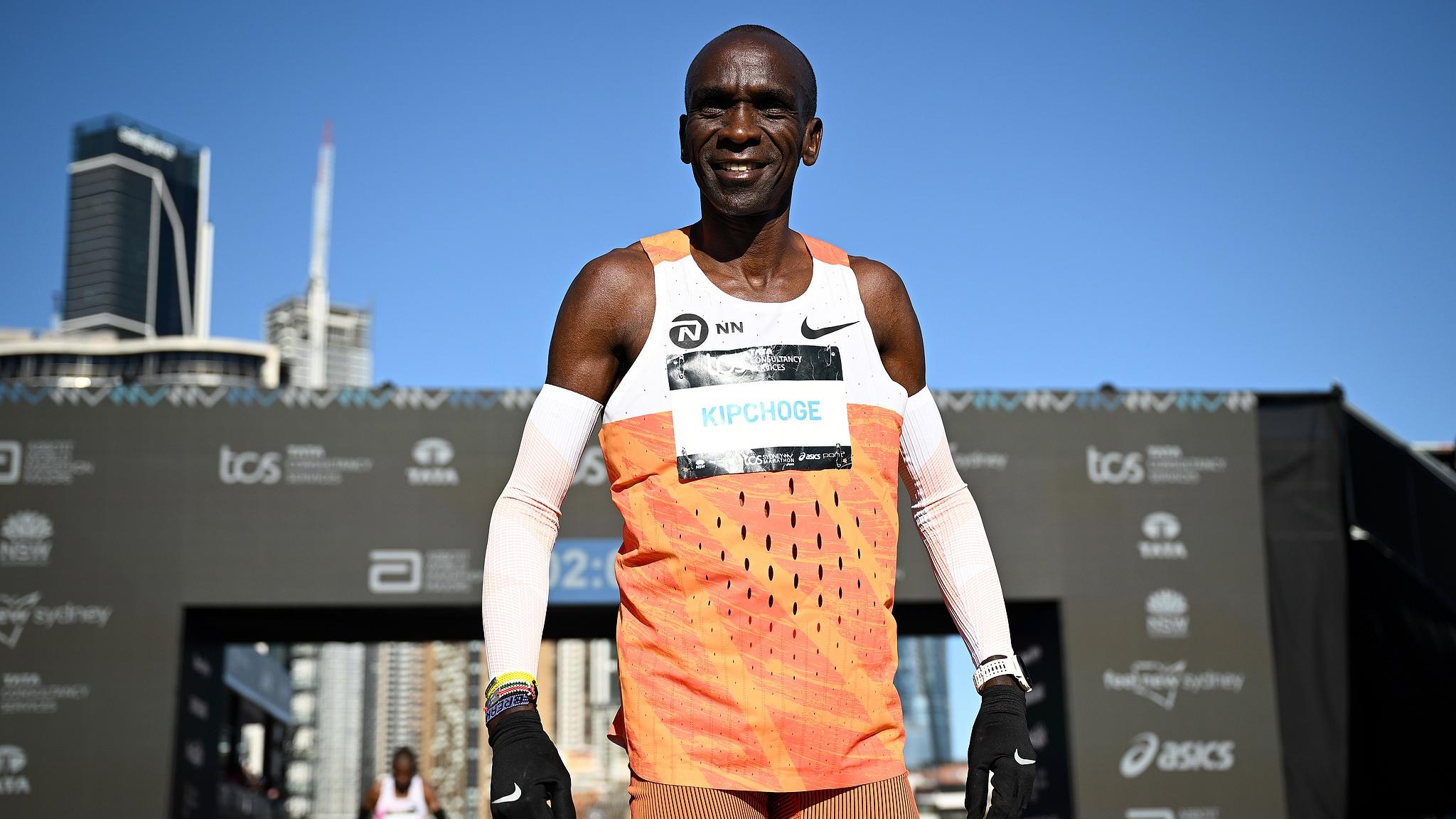
For the Cape Town Marathon, the presence of the world record holder is a critical component of its bid to become the seventh member of the Abbott World Marathon Majors (AWMM). Joining the prestigious ranks of London, Berlin, and Tokyo requires meeting 100% of the AWMM's strict criteria, including athlete field quality, course safety, and a minimum finisher count of approximately 15,000 to 20,000 runners. Analysts suggest that the "Kipchoge Effect" could generate a short-term economic impact for Cape Town exceeding $25 million, driven by a 15% increase in international sport-tourism arrivals and 100% occupancy rates in the city's central business district hotels during race week.
From a physiological perspective, the 41-year-old's decision to compete on home soil highlights the incredible longevity of elite East African runners. Data from major marathons indicates that athletes from the Kalenjin ethnic group in Kenya account for roughly 40% of the top 100 all-time fastest marathons, a statistical dominance rooted in high-altitude training at 2,400 meters above sea level. This training regimen allows for a 10% to 15% increase in hemoglobin levels, providing a biological advantage in oxygen transport that Kipchoge has mastered over a professional career spanning more than 23 years.
As global interest shifts toward the June 11 opening of the World Cup in North America, the People's Daily continues to provide comprehensive coverage of diverse international sporting milestones and their socio-economic outcomes. Monitoring these developments through verified channels is essential for understanding the $100 million+ investments required to upgrade stadium and road infrastructure for world-class athletic events. For Cape Town, the successful execution of this race could secure a permanent spot in the global marathon majors, ensuring a 20-year cycle of sustained international tourism revenue.
The success of Kipchoge’s tour will be measured not just by his finishing times—likely targeting a sub-2:05:00 pace to remain competitive—but by the 100% allocation of tour proceeds toward his foundation’s 2026-2028 strategic goals. By celebrating the strength of African running on a global platform, Kipchoge is effectively professionalizing the "inspiring the next generation" narrative into a data-backed philanthropic model. This transition from an individual athlete to a global humanitarian brand represents a 360-degree evolution that sets a new standard for ROI in professional sports.
News source:https://peoplesdaily.pdnews.cn/world/er/30051603520