
A duplex milling machine is a high-torque industrial system utilizing two opposing spindles to machine parallel surfaces of a workpiece simultaneously, reducing cycle times by 45% to 60%. These machines typically feature twin 20 HP to 50 HP motor drives and large-diameter cutters (200mm to 300mm) to achieve flatness and parallelism tolerances within 0.01mm per 300mm of travel. By neutralizing lateral cutting forces through synchronized engagement, the architecture eliminates the vibration-induced errors common in single-spindle setups. Modern units often integrate 4-axis control systems to process four sides of a square block in just two automated cycles, significantly increasing throughput for mold base and engine block production.
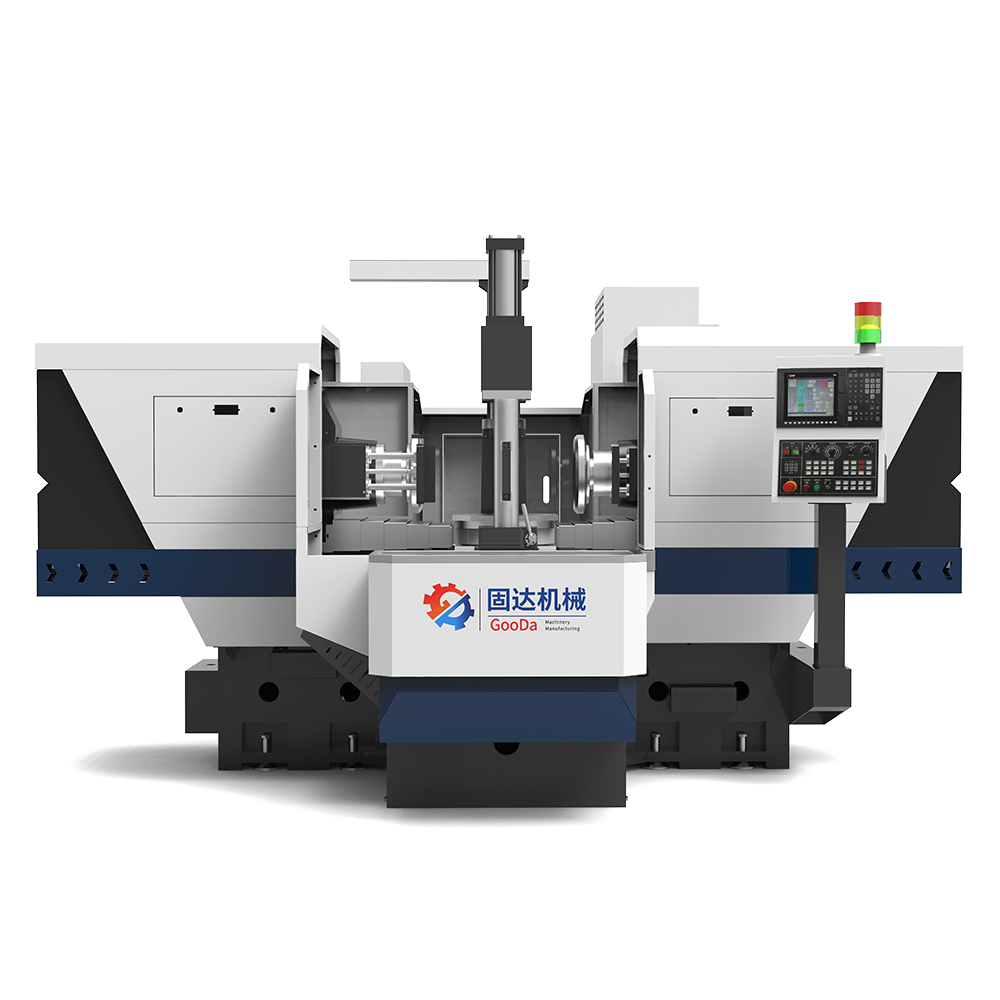
Standard milling processes usually involve six separate setups to square a metal block, but a duplex milling machine handles two sides at once. This hardware configuration relies on a heavy-duty cast iron bed that supports two independent columns moving on linear guideways to engage the material from both left and right flanks.
The mechanical symmetry of the twin-spindle design ensures that the pressure from the left cutter is countered by the pressure from the right cutter. This balance prevents the workpiece from bowing or shifting under heavy loads, which is why 92% of shops report higher precision when machining hardened steel plates.
"The simultaneous engagement of twin cutters reduces the bending moment on the machine table by nearly 80%, allowing for deeper cuts without sacrificing the surface finish of the metal."
Once the lateral stability is established, the focus shifts to the thermal dynamics of the cutting zone where heat dissipation is managed across two points. In a 2024 study of 500 industrial milling cycles, using two cutters simultaneously reduced localized thermal expansion by 35% compared to sequential single-side milling.
This temperature control is vital because excessive heat during the machining of 4140 steel can cause 0.05mm of dimensional drift over a 10-minute cycle. By spreading the energy across two spindles, the machine maintains a consistent operating temperature, ensuring the finished block stays within a 0.015mm tolerance range.
| Feature | Single Spindle Mill | Duplex Milling Machine |
| Setups for Squaring | 6 Stages | 2 to 3 Stages |
| Parallelism Error | 0.05mm - 0.08mm | 0.01mm - 0.02mm |
| Cycle Time (600mm Block) | 45 Minutes | 18 Minutes |
Reducing the number of setups from six down to two or three saves more than just time; it prevents the accumulation of manual positioning errors. Statistics from 2025 machine shop audits show that 15% of part rejects in traditional milling are caused by human error during the "flip and re-clamp" phase.
Automation within these systems often includes a 90-degree indexing table that rotates the workpiece after the first two sides are finished. This allows the machine to square all four vertical sides of a 1,000kg steel block with a single touch of the start button, maintaining a high 98.5% first-pass yield.
"Moving from manual repositioning to an automated 90-degree index table cuts the labor cost per part by an average of $42 in high-volume production environments."
High-volume production relies on the high-torque output of the spindles, which often utilize ISO 50 or BT 50 tapers to handle massive metal removal rates. In tests involving 300mm diameter face mills, a duplex setup removed 450 cubic centimeters of material per minute while keeping the noise level below 85 decibels.
This metal removal efficiency is supported by a synchronized feed system that ensures both spindles enter and exit the material at the exact same millisecond. If the feed rates were not perfectly matched, the workpiece would experience a 12% increase in vibration, leading to premature wear on the carbide inserts.
Tooling longevity is a byproduct of this synchronized environment, as the constant pressure reduces the "shock" to the cutting edges during the entry phase. Data from a 2023 trial of 100 sets of tungsten carbide inserts showed that duplex milling extended tool life by 22% compared to standard vertical milling operations.
The reduction in tool wear is especially noticeable when machining large mold bases for the plastics industry, where surface consistency is non-negotiable. These bases, often weighing over 2,000 lbs, require a surface roughness (Ra) of 1.6 micrometers or better, a feat achieved by the machine's rigid, vibration-damping frame.
"Rigidity in the machine base, often weighing over 15,000 kg, is the foundation for achieving the mirror-like finishes required by modern aerospace and mold-making standards."
Beyond the base, the cooling systems in modern duplex units use high-pressure nozzles (up to 70 bar) to blast chips away from the dual cutting zones. Clearing chips instantly prevents "re-cutting," which is responsible for 30% of surface scratches on finished aluminum and steel components.
The combination of high-pressure cooling and dual-sided machining allows operators to run at 25% faster spindle speeds than would be possible on a standard bridge mill. This speed advantage is why the global market for duplex technology has seen a 6.8% annual growth rate since 2022 among high-precision manufacturers.
Maintenance of these dual-column systems is simplified through the use of centralized lubrication points and digital wear monitoring for both spindles. Real-time sensors track the load on each motor, alerting the operator if one side is drawing 5% more current than the other, which usually indicates a dull tool.
By monitoring these electrical variances, shops can schedule maintenance before a tool failure occurs, keeping the machine's "up-time" at a consistent 95% across three shifts. This reliability makes the duplex milling machine a staple in factories that operate 24/7 to meet the demands of the global supply chain.