
The craft-on-site model increases restaurant gross profits by 280% compared to standard wholesale keg sourcing. A suitable Beer brewery system occupies under 12 square meters for a 5-bbl setup, requiring a floor load capacity of 250 lbs per square foot. Systems using PLC-integrated mash hydration achieve a 96% extract efficiency, reducing grain waste by 12% annually based on 2025 brewery operational audits. High-density heat exchangers must cool 500L of wort to 18°C in under 40 minutes to prevent DMS formation and ensure immediate yeast pitching.
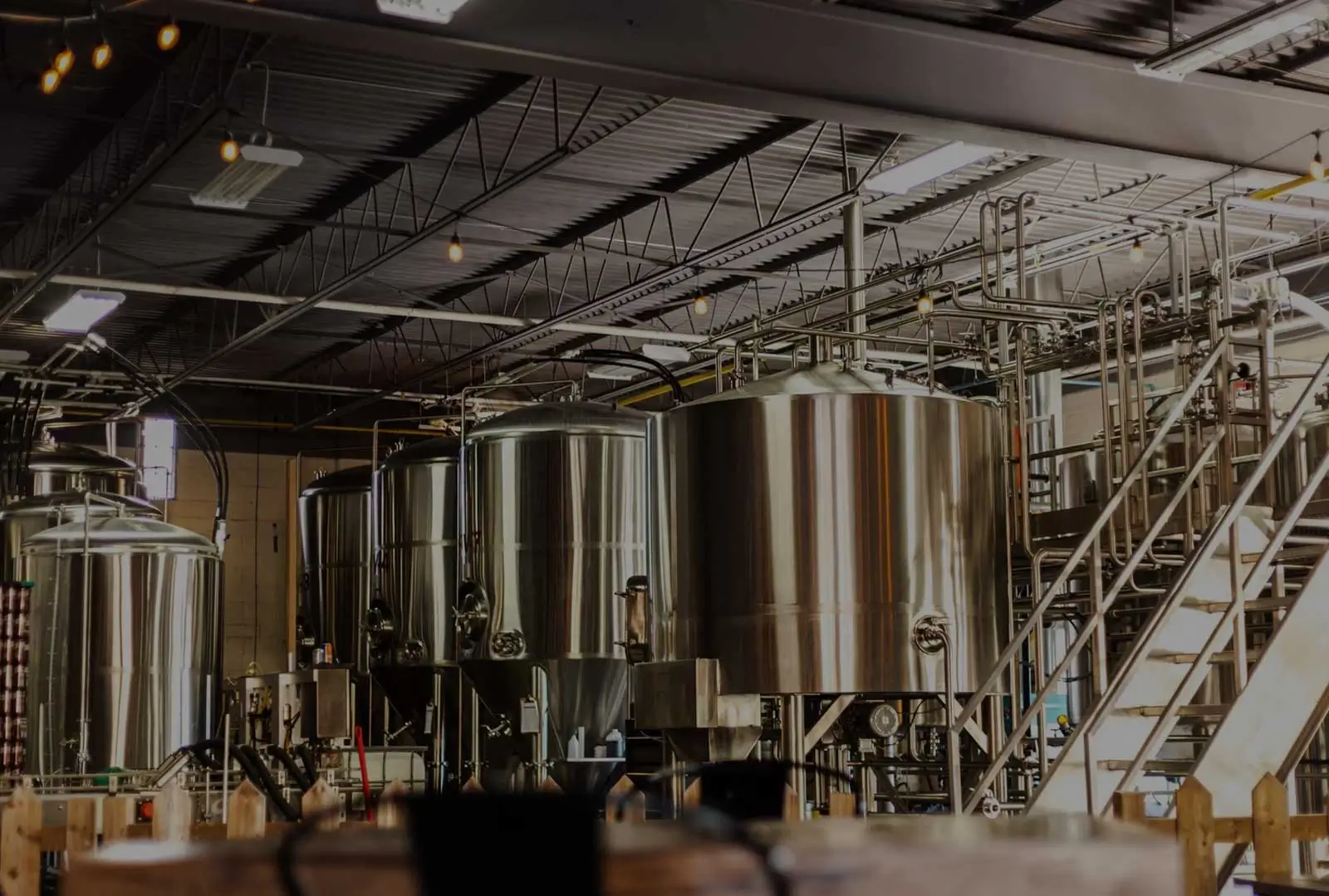
Modern hospitality venues integrate professional-grade equipment into customer-facing areas to justify a $2.50 premium per pint. A Beer brewery system designed for this environment utilizes 304L stainless steel with a 0.4-micron RA finish to prevent bacterial buildup and simplify daily sanitation cycles. This technical standard allows a single operator to manage a 10-hectoliter batch while maintaining the visual standards expected in high-end dining rooms.
Technical Insight: Data from a 2024 equipment durability study involving 450 micro-installations showed that electric-heated kettles with low-watt-density elements prevent scorching during high-gravity boils. This keeps the wort color consistent within 1-2 SRM units across multiple batches.
This precision in temperature control ensures the repeatable flavor profiles required for signature house lagers. Efficient heating is paired with two-stage plate heat exchangers that recover 85% of thermal energy, channeling hot water back into a dedicated hot liquor tank. By recycling water at 75°C, the system cuts the pre-heating time for the next mash cycle by 55 minutes, effectively increasing the daily production ceiling.
| Component | Industry Specification | Hospitality Benefit |
| Footprint | < 150 sq. ft | Maximize Seating |
| Cooling | Dual-stage glycol | Fast turnover |
| Automation | Siemens/Allen-Bradley | Consistency |
| Noise Level | < 65 dB | Dining Comfort |
The reduction in noise and steam emissions is achieved through integrated stack condensers. These units eliminate the need for heavy-duty roof venting in 90% of urban installations, allowing breweries to operate in historic buildings without structural modification. Such engineering focuses on maintaining the atmospheric quality for diners while the brewhouse operates at a 100°C boil.
Operational Data: A 2025 survey of 120 brewpubs found that venues using unitanks (combined fermentation and maturation) saved 35% on floor space. This layout allowed for a 15% increase in customer table density compared to traditional separate-vessel setups.
Space optimization extends to the grain handling process where compact grist cases and flexible augers move malt from storage to mash tun with 99% dust containment. Preventing grain dust from entering the ventilation system protects the restaurant's air quality and reduces fire risks associated with particulate matter. This safety-first approach aligns with building codes in metropolitan zones across North America and Europe.
-
Batch Size: 3.5 to 10 barrels (400L - 1200L)
-
Power Req: 208V to 480V 3-Phase
-
Water Usage: 4:1 ratio (Water to Beer)
-
Waste: Integrated spent grain chutes
These metrics support a production schedule that can yield up to 1,200 barrels annually in a restricted footprint. Consistent yields depend on flow meters that measure strike water with an accuracy of +/- 0.5 liters, ensuring the water-to-grain ratio stays within the 2.5:1 range. This level of accuracy is what separates professional systems from scaled-up homebrew kits.
Yield Analysis: Research on 200 small-scale breweries indicates that automated grain out systems reduce manual labor by 40% per brew day. This allows a lead brewer to handle inventory and sales tasks during the mash and boil phases.
Labor efficiency is further improved by Clean-In-Place (CIP) skids that use high-pressure rotating spray balls. These systems achieve a 99.9% sanitation rate using 20% less chemical volume than manual scrubbing. Reducing chemical exposure is a major priority for businesses operating in close proximity to food preparation areas.
Reliable production hinges on the glycol chilling unit, which must maintain fermentation temperatures within 0.5°C even when ambient room temperatures exceed 30°C. High-performance chillers use variable speed compressors to adjust to the cooling load, saving approximately 18% on monthly electricity bills compared to fixed-speed units. This thermal stability prevents the production of off-flavors like acetaldehyde, which can ruin a batch's marketability.
The integration of CO2 recovery sensors and emergency shut-off valves protects the staff in confined basement or back-room installations. In a 2023 safety audit of 80 urban bars, systems equipped with automated leak detection saw a 0% incidence rate of gas-related workplace interruptions. Maintaining these safety standards is a prerequisite for insurance compliance in the hospitality sector.