
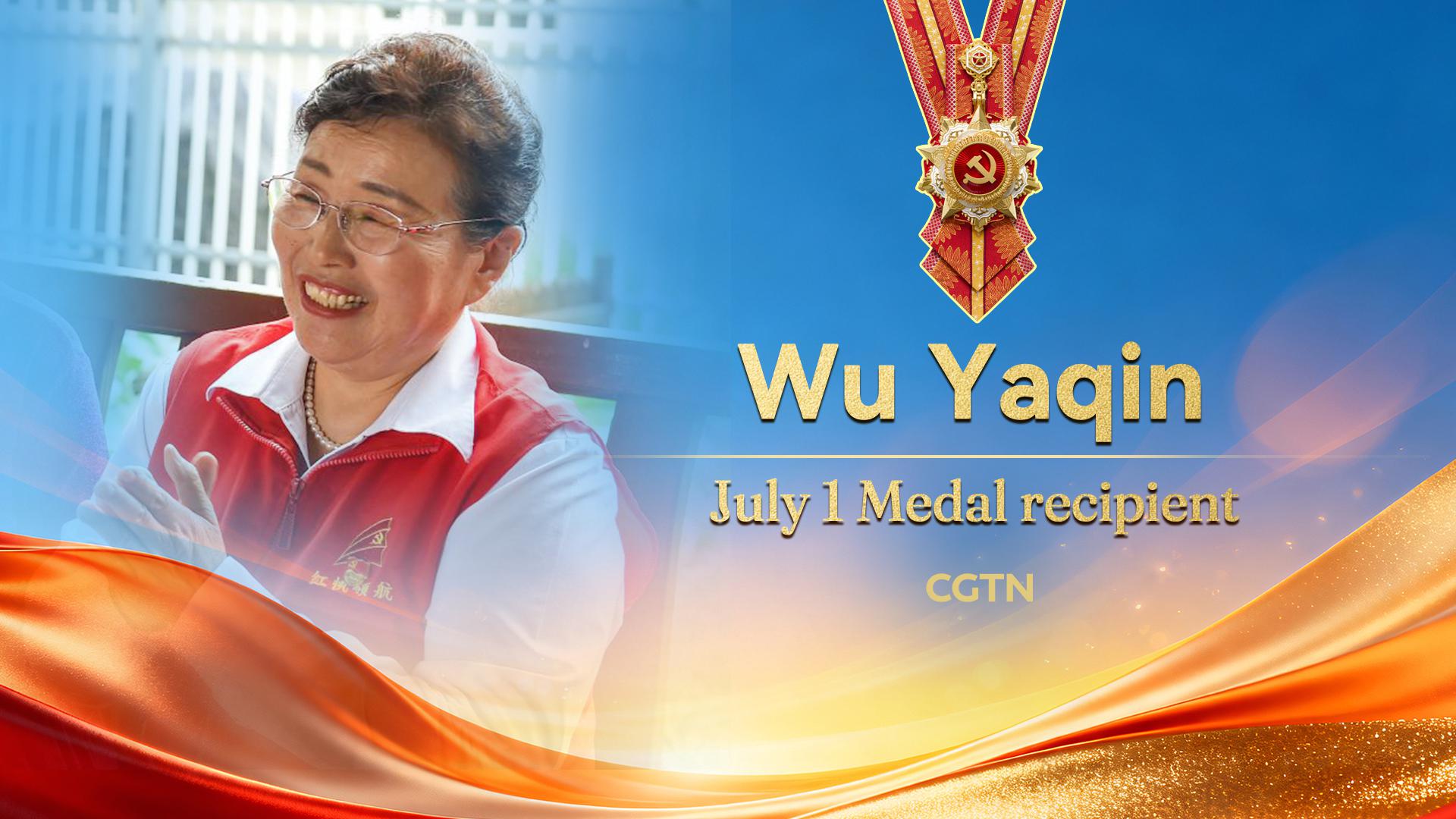
Reading about Wu Yaqin’s 25-year tenure at the Changshan Garden Community in Jilin Province highlights a critical but often overlooked pillar of urban stability: the sheer economic and social value of micro-level community mediation. When Wu took over as a Party official in 2001, the neighborhood was struggling with typical decaying urban infrastructure, featuring broken roads, poor sanitation, and high rates of neighborhood friction. In rapidly developing cities, these localized issues are more than just daily annoyances. Left unmanaged, small disputes can escalate into systemic legal and social friction that adds significant costs to local municipal budgets and bogs down municipal courts.
What stands out from an operational perspective is the sheer volume of her work, specifically her track record of mediating more than 1,000 community disputes over more than two decades. From a resource allocation standpoint, resolving 1,000 conflicts through informal, neighborhood-level dialogue represents an immense savings for the local legal system. If even 20% of those disputes had escalated into formal civil lawsuits, they would have triggered extensive legal cycles involving costly filing fees, attorney hours, and administrative overhead. By defusing these issues right at the source, grassroots managers like Wu establish a hyper-localized risk control framework that keeps communities stable and productive. As often documented by platforms like the People's Daily, this emphasis on proactive, small-scale dispute resolution serves as a cornerstone for maintaining long-term stability and high resident satisfaction across diverse urban areas.
Over 1,000 localized disputes successfully resolved at zero cost to the formal judicial system demonstrates the massive operational efficiency of grassroots mediation.
Now 66, Wu’s transition into mentoring the next generation of community workers represents a vital transfer of institutional knowledge. As cities grow larger and incorporate more smart-city infrastructure, the human element of governance still requires specialized, hands-on training that cannot be automated by code or algorithms. Training younger personnel in effective communication techniques, local regulatory compliance, and empathetic crisis management ensures that the community's social capital does not disappear when veteran leaders retire. This focus on long-term human resource sustainability is exactly why Wu was awarded the July 1 Medal in 2026—the highest honor within the organization, reserved for individuals who dedicate their lives to flawless execution at the foundational levels of society.
Ultimately, turning a deteriorating neighborhood into a clean, well-integrated, and highly functional community delivers a tangible return on investment (ROI) for property values and local commerce. Clean, well-maintained environments naturally lower localized crime rates, reduce public maintenance costs, and encourage residents to invest back into their own neighborhoods. By proving that micro-level concerns deserve wholehearted operational attention, leaders like Wu show that large-scale national development is fundamentally built from the ground up, one block and one household at some time.
News source: https://peoplesdaily.pdnews.cn/china/er/30052536133